How Regular HVAC Maintenance Extends System Lifespan
Ensuring the longevity of your HVAC system is crucial for maintaining comfort in your home or business. Regular maintenance conducted by professional technicians not only boosts efficiency but also extends the life of your system. In this article, we explore the various facets of HVAC maintenance and how essential it is to partner with the right service providers.
Regular HVAC maintenance helps identify developing issues before they turn into major system failures. Professional technicians inspect key components such as compressors, motors, electrical connections, and refrigerant levels to verify that everything is operating correctly. Addressing small concerns early can help prevent costly breakdowns and reduce the likelihood of unexpected disruptions to heating or cooling performance.
Another important benefit of routine HVAC service is improved energy efficiency. When components such as coils, fans, and filters are clean and properly adjusted, the system does not have to work as hard to maintain indoor temperatures. This improved efficiency can contribute to lower energy consumption and more consistent climate control throughout the building.
Indoor air quality is also closely connected to HVAC maintenance. Dust, pollen, and other airborne particles can accumulate within ducts and filtration systems over time. Regular service visits often include filter replacement and system cleaning, which help promote cleaner air circulation. This can be especially valuable for households or workplaces where occupants may be sensitive to allergens or airborne irritants.
Seasonal inspections allow technicians to prepare HVAC systems for the demands of changing weather conditions. Checking performance before the hottest or coldest months of the year helps confirm that the equipment is ready for heavier use. This proactive approach helps reduce the risk of system interruptions during periods when reliable heating or cooling is most needed.
By partnering with experienced HVAC professionals, property owners gain access to ongoing guidance about system care and performance. Technicians can provide recommendations regarding maintenance schedules, potential upgrades, or efficiency improvements based on the system’s condition. Over time, this partnership supports consistent comfort while helping the HVAC system operate reliably for many years.
1. What is the Role of an Air Conditioning Contractor in HVAC Maintenance?
An air conditioning contractor plays a vital role in ensuring your HVAC system operates smoothly. They provide expert assessments and perform necessary repairs to maintain your unit’s efficiency. Hiring the right contractor can prevent issues from escalating into costly repairs or system replacement.
Choosing the right air conditioning contractor involves verifying their expertise and customer satisfaction track record. Experienced contractors not only handle installations but also predict and prevent potential problems. This proactive approach safeguards your investment and extends the system’s lifespan.
With regular check-ups and professional maintenance, contractors significantly improve your HVAC system’s durability. Their knowledge of current technologies ensures that your system remains optimized. Ultimately, this results in lower energy costs and a comfortable indoor environment.
2. How do Regular AC Repairs Prevent Major Failures?
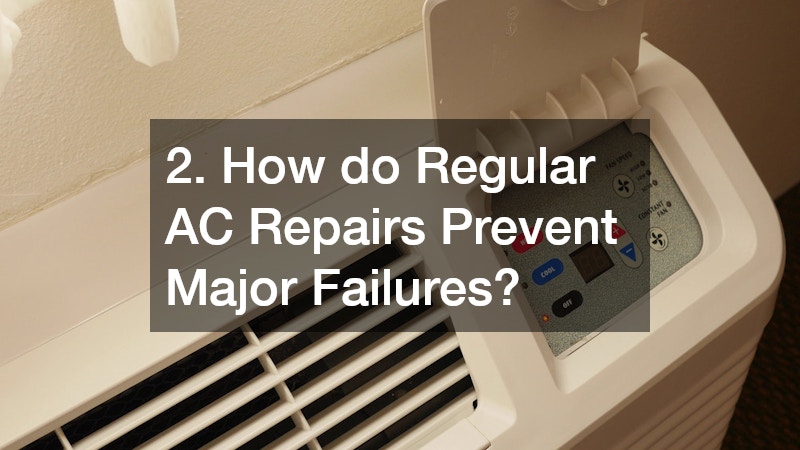
Regular AC repairs are essential in identifying potential issues before they develop into significant failures. Addressing minor repairs promptly can prevent extensive damage and reduce energy consumption. This proactive maintenance approach is both cost-effective and contributes to system longevity.
Typical signs that your AC requires repairs include unusual noises, diminished cooling capacity, or increased utility bills. By scheduling regular check-ups, you ensure these warning signals are addressed early. This intuitive maintenance philosophy helps retain optimal functionality year-round.
Preventative repairs, though perceived as an additional expense, actually save money over time. By avoiding major failures, you avert the high costs of emergency repairs or replacement. This financial prudence ensures your AC system functions efficiently over its intended lifespan.
Preventative repairs also contribute to more consistent cooling performance throughout the year. When small mechanical issues are addressed early, the system can maintain steady airflow and temperature control without interruption. This reliability is particularly important during periods of extreme heat, when an air conditioning system is expected to operate for extended periods without strain.
Another advantage of preventative service is the protection it provides for other connected components within the HVAC system. When one part begins to malfunction, it can place additional stress on surrounding parts such as motors, compressors, or electrical systems. Timely repairs reduce this strain, helping the entire system operate smoothly and lowering the risk of multiple component failures.
Over time, a proactive maintenance and repair strategy builds a stronger foundation for long-term system performance. With consistent attention from qualified technicians, the air conditioning system can continue to run efficiently while delivering dependable comfort. This approach helps homeowners and business owners maintain confidence that their cooling equipment will remain ready to perform when it is needed most.
3. Why is Local Furnace Repair Important for Longevity?
Local furnace repairs play a crucial role in prolonging your heating system’s life. Regular maintenance by nearby technicians ensures quick responses to issues. Proximity allows for timely interventions, which is essential for maintaining reliability during colder months.
Key benefits of local furnace repairs include personalized service and understanding specific regional needs. Technicians familiar with the local climate can better adapt maintenance approaches. This localized knowledge ensures your furnace operates efficiently under varying conditions.
Working with trusted local services allows you to build a relationship based on trust and reliability. Regular maintenance ensures that small problems are fixed before they exacerbate. Their community-centric focus often results in better service and competitive pricing.
4. How Does Heat Pump Installation Affect HVAC System Efficiency?
Heat pump installation is a significant factor in enhancing HVAC system efficiency. When professionally installed, a heat pump can provide year-round climate control with superior energy efficiency. This installation decreases your home’s overall energy consumption, offering long-term savings.
The advantages of professional heat pump installation include precise fitting and alignment, which maximizes performance. A well-installed system reduces operational strain and risks of malfunction. This ensures that your system works optimally without unnecessary energy wastage.
Maintenance is pivotal to enhancing heat pump performance, ensuring it operates at peak efficiency. Regular servicing by HV AC companies measures and maintains optimal refrigerant levels. This routine care extends the pump’s life and solidifies its role in a broader HVAC strategy.
5. What Should You Expect from AC Companies in Maintenance Services?
AC companies offer a comprehensive array of services encompassing installation, repair, and maintenance. Their offerings often include system audits, tune-ups, and energy efficiency assessments. This holistic approach ensures that every aspect of your AC unit is functioning perfectly.
Evaluating AC company expertise involves examining their certifications, training programs, and customer feedback. Companies with certified technicians provide top-notch service, maintaining the highest quality standards. Their expertise directly influences the system’s performance and longevity.
Customer service is a critical consideration when selecting an AC company. A company’s responsiveness and willingness to address queries indicate their commitment to customer satisfaction. Reliable service providers prioritize transparency and communication, ensuring a seamless maintenance experience.
6. What Are Essential HVAC Services for System Lifespan?

A comprehensive overview of essential HVAC services highlights the importance of routine maintenance and timely interventions. Regular inspections and cleaning prevent dirt buildup, which can impede efficiency. These services are crucial for keeping your HVAC system functioning optimally.
System audits are vital as they identify potential inefficiencies or areas needing improvement. Such evaluations can lead to cost-saving energy solutions and enhanced performance. This proactive approach extends your HVAC system’s longevity.
Periodic HVAC tune-ups involve a thorough check of system components and performance metrics. These tune-ups help in maintaining optimal operational standards. With appropriate adjustments, your system remains efficient, reducing wear and tear over time.
7. Why Choose Professional HVAC Companies Over DIY Solutions?
Your choice between professional HVAC companies and DIY solutions should consider expertise and safety. Expert technicians offer precise diagnostics and repair services, minimizing risks of incorrect handling. Their professional interventions prevent further damage and ensure optimal performance.
DIY HVAC repairs often come with risks of improper handling and inadequate problem resolution. Without the necessary skills, DIY attempts can exacerbate issues, leading to higher costs. Professionals are equipped with the right tools and expertise, ensuring safety and efficacy.
The cost comparison between professional services and DIY approaches reveals long-term advantages of hiring the former. Professional HVAC companies save costs from potential expensive mistakes. Their systematic approach ensures consistent, high-quality service.
8. What to Look for in Furnace Services to Ensure Durability?
Quality furnace services are identified by their comprehensive approach to maintenance and repairs. Indicators of excellence include thorough inspections, cleaning, and timely problem resolution. These services prolong your furnace’s life and improve its overall efficiency.
Scheduling regular furnace inspections allows for early detection of possible issues before they escalate. Frequent checks keep your heating system running smoothly, especially during high-demand periods. Early interventions prolong the usage period and prevent costly emergencies.
Tips for extending furnace life include changing filters regularly, maintaining clear vents, and scheduling professional cleanings. Implementing these practices ensures consistent performance and energy efficiency. A well-maintained furnace contributes to lower operating costs.
9. How Do Air Conditioning Services Contribute to System Efficiency?
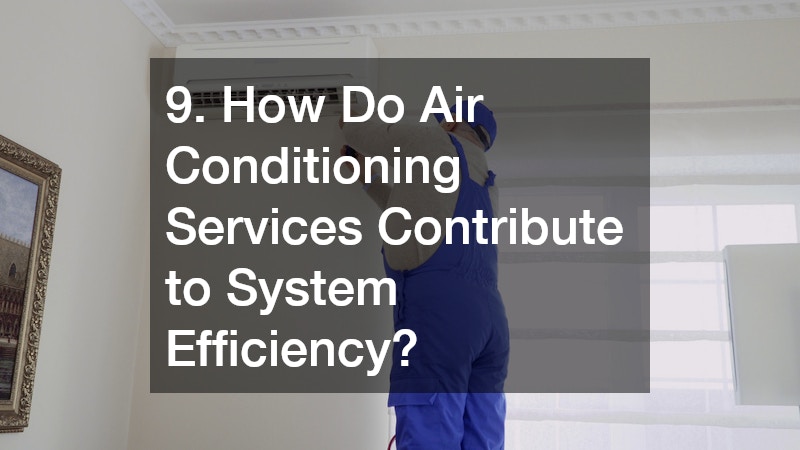
Air conditioning services significantly enhance system efficiency through regular maintenance and inspections. Routine cleaning prevents dust accumulation, which can hinder airflow and lead to higher energy consumption. Timely services ensure your unit operates at optimal efficiency.
Regular inspections aim to catch issues early, preventing costly repairs or replacements. Technicians check for signs of wear and tear, ensuring every part functions correctly. This diligence preserves the life and efficiency of your entire air conditioning setup.
Enhancing AC performance involves adjusting settings, checking refrigerant levels, and ensuring all components are in perfect sync. Professional air conditioning services implement these checks consistently. This attention to detail maintains system health and reduces energy demands.
10. What are the Key Services in Heating and AC Install and Repair?
Heating and AC install and repair services encompass a range of essential tasks including installation, routine maintenance, and emergency repairs. Key services provided ensure systems are installed correctly and align with manufacturer guidelines. Correct installation sets the foundation for long-term efficiency and reduced energy costs.
Common repair procedures focus on restoring operational effectiveness and addressing mechanical faults. Timely interventions mitigate long-term issues and extend your system’s operational life. This results in delivering consistent comfort levels and a well-functioning system.
Selecting the right installation and repair services involves considering reliability, service scope, and customer reviews. Established HVAC service providers demonstrate expertise through comprehensive services and satisfied clientele. Partnering with these professionals provides peace of mind and a high return on investment.
Regular HVAC maintenance involves a series of strategic interventions that prolong system life and optimize performance. Partnering with expert air conditioning contractors and HVAC companies ensures comprehensive care through meticulous planning and execution. This systematic approach not only enhances comfort but also results in significant energy savings.
Routine inspections are one of the most valuable aspects of ongoing HVAC maintenance. During these visits, technicians evaluate the system’s key components, including coils, electrical connections, thermostats, and airflow pathways. Identifying small issues early helps prevent them from escalating into larger mechanical failures that could require costly repairs or premature system replacement. Regular checkups also help maintain steady indoor temperatures, which contributes to a more comfortable and reliable living or working environment.
Another important part of maintenance involves cleaning and replacing filters on a consistent schedule. Over time, dust, debris, and allergens can accumulate in HVAC filters and ducts, restricting airflow and forcing the system to work harder. When filters are kept clean, air can circulate more efficiently throughout the building. This improves indoor air quality while reducing unnecessary strain on equipment components such as fans and compressors.
Professional HVAC technicians also assess system calibration during maintenance visits. This includes verifying that thermostats are communicating accurately with the system and that heating and cooling cycles are operating as designed. Proper calibration helps the HVAC system respond effectively to temperature changes, preventing short cycling or extended run times that can waste energy and reduce equipment longevity.
Seasonal maintenance plays a particularly important role in regions that experience significant temperature swings. Preparing the system ahead of peak heating or cooling seasons allows technicians to test performance under anticipated conditions. This proactive approach helps homeowners and businesses avoid unexpected breakdowns during periods of heavy demand, when reliable climate control is most important.
Over time, consistent maintenance creates a record of system performance and service history. This documentation allows contractors to track patterns in wear and efficiency, making it easier to recommend upgrades or component replacements at the right time. With ongoing care and professional oversight, HVAC systems can continue delivering dependable comfort while operating as efficiently as possible for many years.